A custom deck is far more than a simple platform for your patio furniture; it's a structural extension of your home that requires precision, expert planning, and a deep understanding of local safety standards. When you invest in a professional custom deck design and build, you're looking for a serene space for weekend gatherings, yet the reality of managing Pennsylvania building permits or choosing between wood and composite can create hesitation. It's natural to feel concerned about structural integrity when stories of deck failures make headlines, but your project should be defined by peace of mind rather than worry.
This guide will walk you through the essential Pennsylvania UCC requirements, including the critical 36-inch frost line depth, specific railing heights, and structural load standards, to ensure your investment is built to last. You'll learn how to select the right materials for our climate and how a methodical construction process adds significant resale value to your property while keeping the experience entirely stress-free. Our goal is to provide the expert reassurance you need to move from an initial concept to a finished, code-compliant outdoor living space that serves as a dependable part of your home for years to come.
Key Takeaways
- Understand how a unified approach to custom deck design and build ensures your project remains structurally sound while perfectly matching your home's unique topography.
- Discover how to plan a multi-functional outdoor space that integrates specialized zones for dining, lounging, and custom lighting features.
- Compare the long-term performance and maintenance requirements of traditional wood versus low-maintenance composite materials specifically for the Pennsylvania climate.
- Learn the critical steps for navigating local building permits and structural codes in Allentown, Bethlehem, and Whitehall to ensure a safe, legal installation.
- Gain insight into the professional construction timeline and how a dedicated team manages everything from site demolition to a clean, final walkthrough.
What is Custom Deck Design and Build?
Custom deck design-build is a comprehensive service for homeowners that integrates professional architectural planning, high-quality material selection, and expert structural construction into one seamless process. This unified approach eliminates the traditional gap between a designer's vision and a contractor's execution. Instead of managing multiple parties, you partner with a single team that remains responsible for every detail from the initial consultation to the final walkthrough. Understanding What is a Deck? helps clarify that these structures are not just outdoor floors; they're complex engineering projects that must be safely integrated into your home's existing frame.
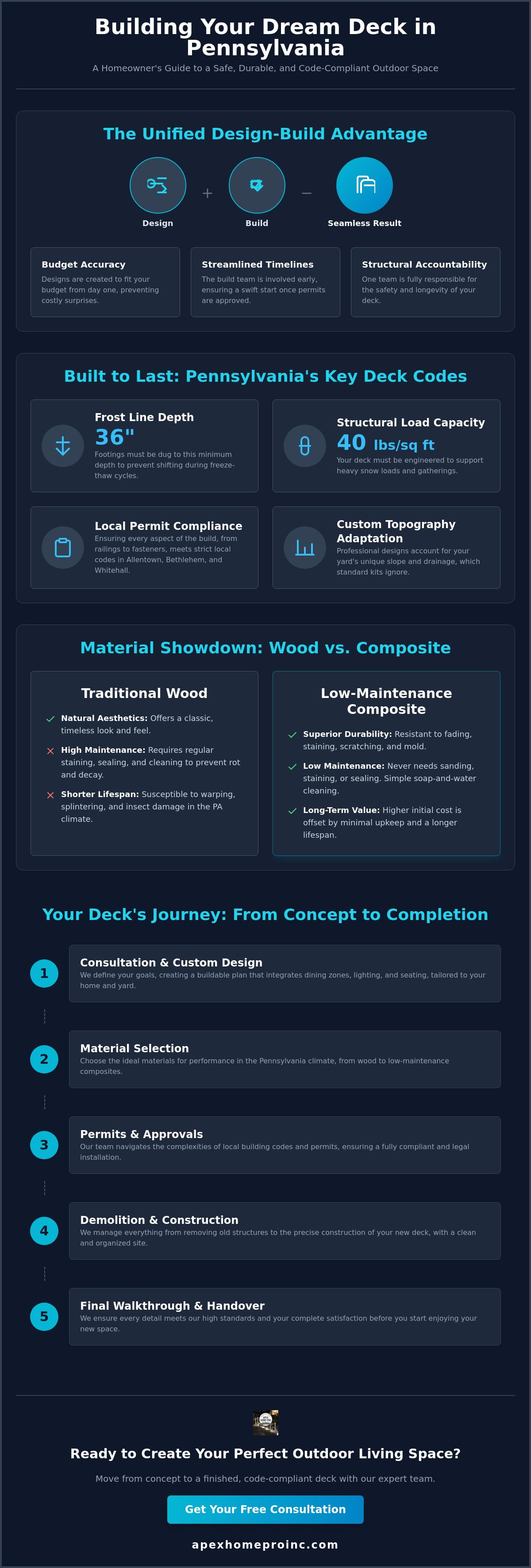
Choosing a custom approach over a "cookie-cutter" solution is vital for Pennsylvania properties. Many suburban lots in the Lehigh Valley feature uneven topography or specific drainage patterns that a standard deck kit simply won't address. A custom design adapts to your yard's specific slope and your home's unique architectural style. It ensures the new structure looks like a natural extension of your residence rather than an afterthought. There is also a significant difference between a basic blueprint and a buildable structural plan. A professional design accounts for weight distribution, local wind speeds, and the 40-pound-per-square-foot load requirements mandated by state codes.
The Limitations of DIY Deck Software
Generic digital tools and "free" design software often provide a false sense of security. These programs rarely account for the complexities of Pennsylvania's soil conditions or the specific ledger board attachment requirements for different siding types. A professional designer optimizes the space for traffic flow and furniture placement, ensuring your grill isn't blocking a primary exit or that your dining area isn't cramped. Without expert oversight, many DIY designs result in "unbuildable" plans that fail to meet the 36-inch frost line depth required for footings in our region.
The Value of a Unified Design-Build Team
The primary benefit of a unified team is the elimination of communication breakdowns. There's no finger-pointing between a designer and a builder because they're part of the same organization. This collaboration leads to several practical advantages:
- Budget Accuracy: We design your project to a specific price point from the start, avoiding the heartbreak of a beautiful design that's too expensive to build.
- Streamlined Timelines: Because the construction crew is involved in the design phase, they're ready to break ground the moment permits are approved.
- Structural Accountability: One team is responsible for ensuring the deck handles Pennsylvania's heavy snow loads and seasonal shifts without failure.
This methodical process provides the professional reassurance you need. It transforms a potentially stressful construction project into a steady, predictable experience. You gain a beautiful outdoor space while knowing every joint, beam, and fastener has been placed with precision and care.
The Custom Design Phase: Planning Your Perfect Space
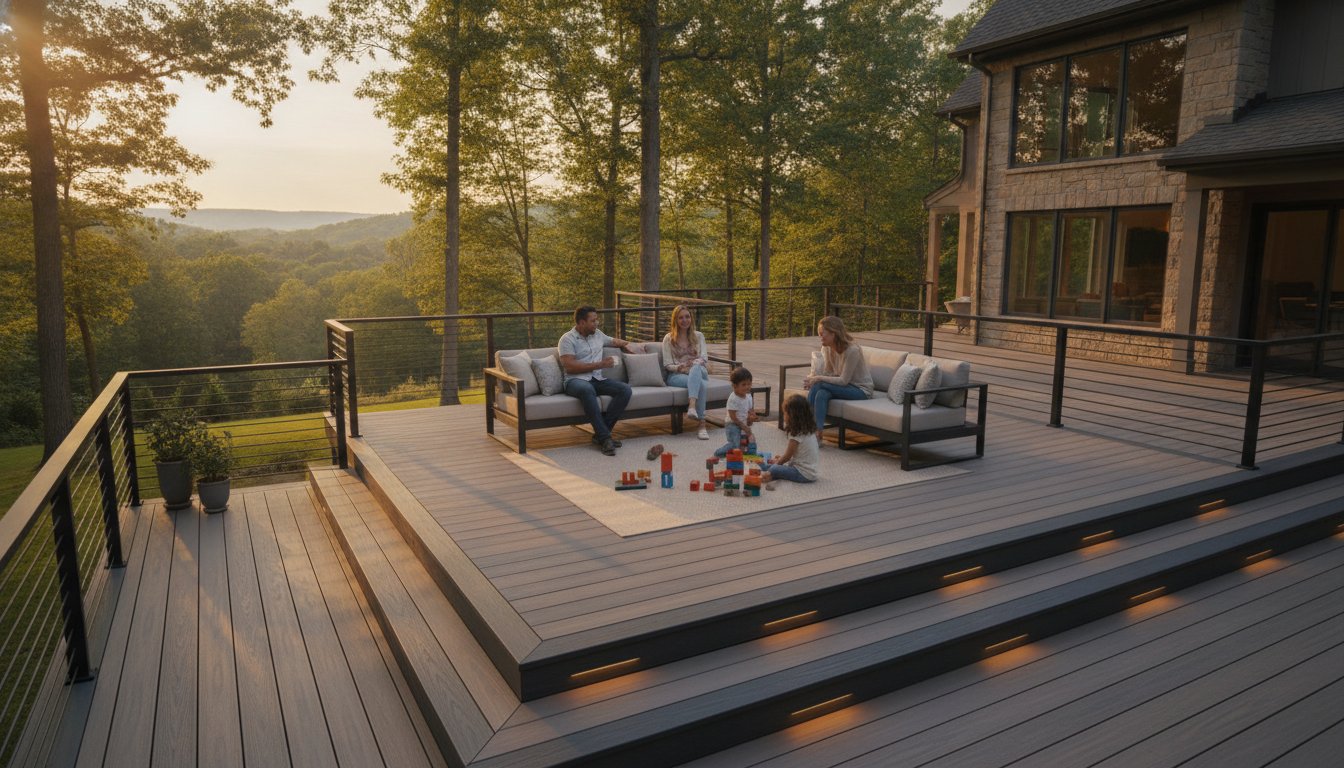
The design phase represents the most critical step in creating a functional outdoor environment. It's the moment where abstract ideas transform into a detailed roadmap for your custom deck design and build project. We begin by identifying the primary purpose of your space. Some homeowners envision a quiet retreat for morning coffee, while others require a multi-level entertainment hub capable of hosting large neighborhood gatherings. By defining these goals early, we can integrate specific features like built-in seating, low-voltage LED lighting, and dedicated outdoor kitchen zones that feel intentional rather than added on as an afterthought.
Visualizing the final result is often the biggest challenge for homeowners. We bridge this gap by providing clear, detailed representations of the project before any construction begins. This allows you to see how the deck's layout will interact with your home's existing exits and how different railing choices might optimize your backyard views or enhance your privacy. When planning for wood components, we reference data on Performance in the Pennsylvania Climate to ensure every material choice supports the structural integrity and aesthetic longevity of the design. If you're ready to see how these elements could work for your property, you can explore our design approach to start the conversation.
Assessing Your Site and Home Architecture
Every successful deck must respect the constraints and opportunities of the physical site. In the Lehigh Valley, we carefully evaluate sun exposure to determine where shade structures or pergolas might be necessary for comfort during humid July afternoons. We also ensure the deck's aesthetics, from the post wraps to the trim colors, match your home's existing siding and architectural style. For properties with steep grades or walk-out basements, we specialize in designing elevated platforms and multi-story structures that turn challenging slopes into usable, beautiful square footage.
Functional Zoning for Outdoor Living
A well-designed deck functions like an indoor floor plan without the walls. We use "functional zoning" to create distinct areas for dining, lounging, and cooking. This methodical approach ensures there's proper clearance for high-heat features like grills or fire tables, keeping your family safe and your siding protected. We also help you think ahead. Even if you aren't installing a hot tub or a heavy stone fireplace today, we can design the underlying frame to support those future additions, saving you from costly structural retrofits later on.
Material Selection: Performance in the Pennsylvania Climate
Selecting the right materials for a custom deck design and build project in the Northeast requires more than just an eye for aesthetics. The Pennsylvania climate is characterized by dramatic temperature swings, heavy winter snow loads, and high humidity during the summer months. These factors can wreak havoc on inferior materials. Pressure-treated lumber remains a dependable, cost-effective classic for many homeowners, though it requires a consistent schedule of staining and sealing to prevent splintering and warping. For those seeking a premium aesthetic, exotic hardwoods like Ipe offer incredible density and natural resistance to decay, while Cedar provides a traditional, aromatic beauty that ages gracefully when properly maintained.
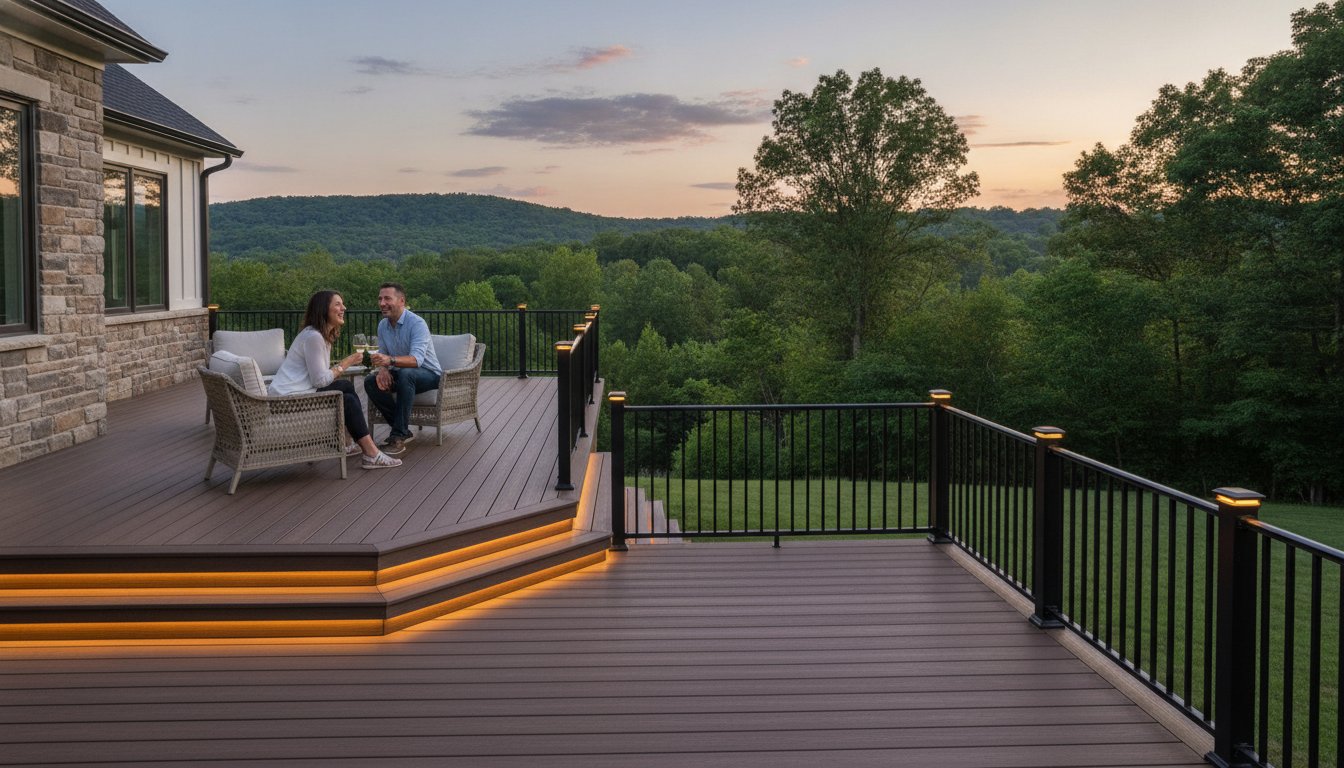
Homeowners in Bethlehem and Allentown are increasingly switching to composite decking for its remarkable longevity and ease of care. These engineered boards are designed to withstand the elements without the need for annual sanding or painting. To complete the look, your choice of railing system plays a dual role in safety and style. Aluminum railings offer a sleek, durable finish that won't rust; meanwhile, cable or glass systems are excellent for maintaining unobstructed views of your property. Each material has its own set of performance characteristics that we'll help you evaluate based on your specific site conditions and lifestyle needs.
Comparing Wood vs. Composite Longevity
The primary difference between these materials lies in their long-term maintenance cycles. Traditional wood decks require deep cleaning and resealing every few years to fight off the mold and rot common in humid Lehigh Valley summers. Composite materials are virtually immune to these issues and only need a simple soap and water wash to stay looking new. You should also consider heat retention. While older composite generations could get quite hot in direct sunlight, modern high-performance boards are engineered to stay cooler underfoot, making them more comfortable for bare feet during a July afternoon.
Structural Framing: The Hidden Strength
While the surface boards receive the most attention, the underlying framework is the true "skeleton" that determines the project's ultimate lifespan. It's the most critical component for long-term safety. Apex Home Pro uses high-grade framing lumber to prevent joist sag. To further protect this vital structure, we utilize joist flashing tape. This simple yet effective barrier prevents moisture from trapped between the decking and the frame, which effectively stops rot before it can start. By focusing on these hidden details, we ensure your deck remains structurally sound and perfectly level for decades, providing the steadfast reliability you expect from a professional build.
Navigating Permits and Structural Codes in the Lehigh Valley
Pennsylvania building regulations are rigorous, and for good reason. A successful custom deck design and build project must adhere to the Pennsylvania Uniform Construction Code (UCC), which is based on the 2018 International Residential Code. In the Lehigh Valley, any deck attached to a house or elevated more than 30 inches above the ground requires a formal building permit. While the state provides the framework, enforcement happens at the municipal level. This means the specific requirements and permit fees in Allentown might differ slightly from those in Bethlehem or Whitehall. Navigating these nuances is part of our professional responsibility, ensuring your project begins on a solid legal foundation.
One of the most critical structural requirements in our region is the frost line depth. To prevent the ground from shifting and heaving during our freezing winters, deck footings must extend at least 36 inches below grade. We also pay meticulous attention to the ledger board, which is the point where the deck attaches to your home. Industry data often identifies the ledger board as the primary point of failure in DIY builds, usually due to improper flashing or weak fasteners. We use code-compliant flashing and specialized structural screws to ensure this connection is impenetrable and safe for the life of the structure.
Why Professional Permit Management Matters
Managing the paperwork is just as important as the physical construction. In communities like Macungie or Trexlertown, property lines can be tight, often requiring zoning variances to ensure your new space doesn't infringe on local setbacks. Our team handles these applications on your behalf, designing every structure to meet the mandatory 40-pound-per-square-foot load requirement for snow and occupants. The process concludes with a final municipal inspection, providing you with documented proof that your home's newest addition is safe and adds real market value. If you want to ensure your project meets every local standard, schedule a code-compliant consultation with our experts today.
Safety Standards for Railings and Stairs
Safety extends to the visible details that protect your family and guests. For any deck higher than 30 inches, we install railings with a minimum height of 36 inches and baluster spacing that prevents a 4-inch sphere from passing through. These standards are essential for keeping children and pets secure. Stairways also require specific graspable handrails between 34 and 38 inches high to provide a steady grip during use. At Apex Home Pro, we don't just aim for the minimum. We take pride in our "overbuilt" philosophy, using superior fasteners and thicker structural members to provide a level of stability you can feel with every step.
The Build Phase: Bringing Your Custom Deck to Life
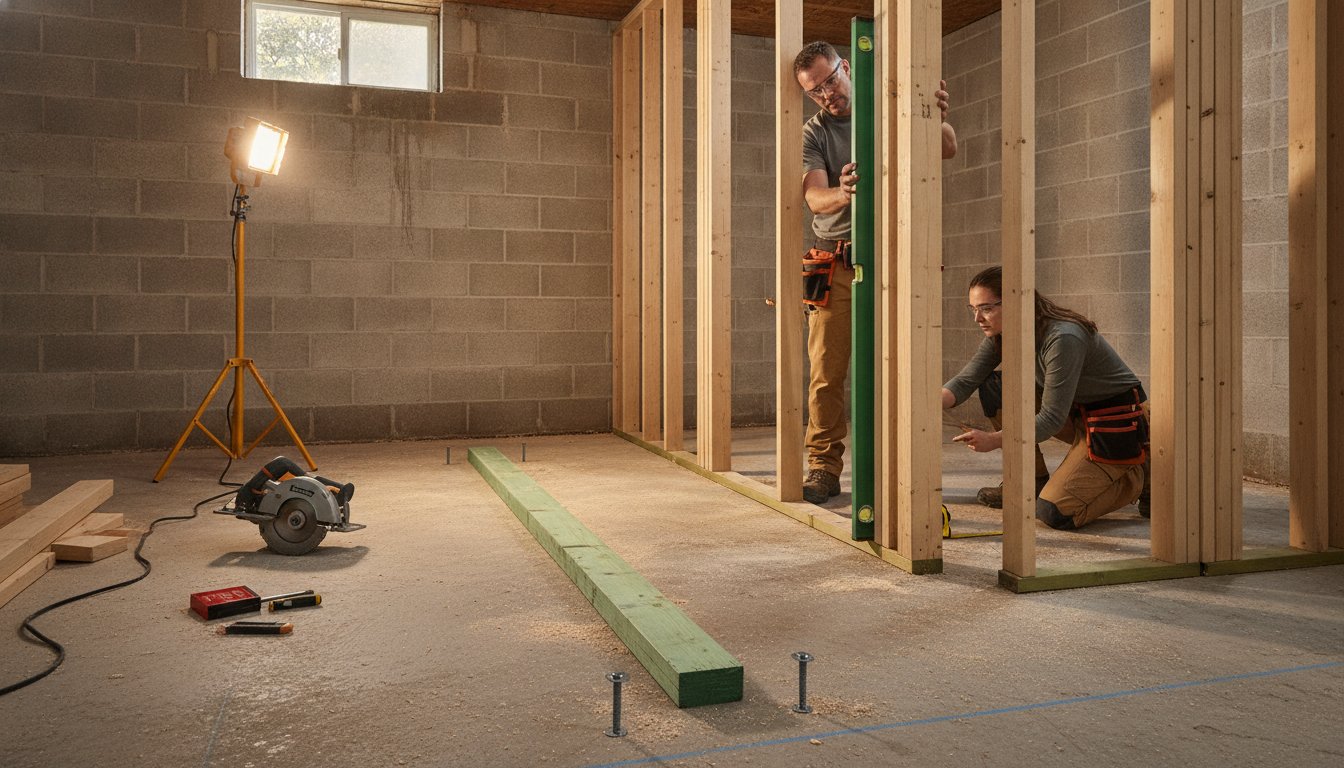
The transition from a conceptual plan to a physical structure is the most rewarding part of the process. While the design phase established the vision, the construction phase is where our commitment to precision becomes visible. A professional custom deck design and build project follows a methodical timeline that begins with site preparation and demolition of any existing structures. Once the area is clear, we focus on the structural framing, ensuring every joist and beam is perfectly level and securely fastened. This phase is defined by constant quality control checks to verify that the skeleton of your deck meets the high standards we've established for safety and longevity.
We understand that construction can be invasive, so our team prioritizes minimizing disruption to your daily life. We maintain a clean and professional job site, removing debris regularly and respecting your property boundaries. Throughout the build, we perform daily checks on leveling and fastener precision to ensure the structural integrity remains uncompromised. The process concludes with a comprehensive final walkthrough. This is our opportunity to ensure that every detail, from the placement of the stairs to the finish of the railings, matches the initial design exactly as you envisioned it.
Craftsmanship and Attention to Detail
The quality of a custom build is often found in the details that aren't immediately obvious. We utilize hidden fastener systems to create a smooth, screw-free surface that enhances both the safety and the aesthetic of the deck boards. To provide a high-end finish, we incorporate precision mitering and picture-framing borders that hide the raw ends of the decking material. Custom lighting integration is also a standard part of our finishing process. By installing low-voltage LEDs into the stair risers and post caps, we provide nighttime safety and a sophisticated ambiance that allows you to enjoy your outdoor space long after the sun goes down.
Partnering with Apex Home Pro
Choosing a contractor in the Lehigh Valley requires finding a partner who values tradition and precision as much as you do. Our "Trusted Expert Guide" approach ensures that you're never left wondering about the status of your project. Local homeowners choose us because we provide reliable project management and maintain open lines of communication from the first day to the last. We take pride in being a dependable choice for those who want their home's vision handled by experienced hands. Ready to start your project? Get a free quote from Apex Home Pro today!
Elevate Your Outdoor Living Experience
Investing in a professionally executed custom deck design and build project transforms your backyard into a lasting asset that balances aesthetic beauty with structural safety. By prioritizing critical Pennsylvania building standards, such as the 36-inch frost line depth and secure ledger board attachments, you ensure your deck remains a stable platform for decades of family gatherings. Selecting the right materials for our specific climate, whether you prefer the classic appeal of wood or the low-maintenance benefits of modern composites, allows you to tailor the space to your lifestyle and maintenance preferences.
As a high-quality structural framing specialist with deep local Lehigh Valley expertise, Apex Home Pro provides full-service design-build management to guide you through every phase of construction. We take pride in our role as a trusted partner, handling everything from complex zoning variances to the final municipal inspection with precision and care. Request Your Free Custom Deck Consultation today to begin planning your ideal outdoor retreat. Your vision for a perfect backyard is within reach, and we're ready to help you build it right.
Frequently Asked Questions
How long does it take to design and build a custom deck?
Most projects take between four and eight weeks from the initial design consultation to the final walkthrough. The design phase typically lasts one to two weeks; however, the permit approval process in municipalities like Allentown or Bethlehem can add several weeks to the timeline. Once construction begins, a standard deck usually takes seven to ten business days to complete, depending on the weather and structural complexity.
Do I need a permit for a deck in the Lehigh Valley?
Yes, a building permit is required for any deck that is attached to your home, larger than 200 square feet, or elevated more than 30 inches above the ground. Even if your project is exempt from a building permit, you'll likely still need a zoning permit to ensure compliance with local property setbacks. We handle these details to ensure your project meets the Pennsylvania Uniform Construction Code and passes all necessary inspections.
Is composite decking really worth the extra cost over wood?
Composite decking is an excellent investment for homeowners who prioritize longevity and minimal maintenance. While the initial material cost is higher than pressure-treated pine, you'll save money and time by avoiding annual staining, sealing, and sanding. In the humid Pennsylvania climate, composite materials resist rot, mold, and insect damage far better than traditional wood, maintaining their appearance for decades with just occasional soap and water cleaning.
Can I build a deck over an existing concrete patio?
You can build a deck over a concrete patio, provided the existing slab is stable and has proper drainage. We use specialized sleepers or adjustable pedestals to create a level frame while allowing air to circulate underneath the structure. This prevents moisture buildup that could damage the new framing. It's a great way to upgrade an old patio into a modern outdoor living space without the cost of concrete removal.
How much does a custom deck design and build project cost?
The total investment for a custom deck design and build project depends on several factors, including the square footage, your choice of materials, and integrated features like lighting or kitchens. Labor costs typically account for 50% to 60% of the total budget. We provide a detailed estimate during our consultation phase to help you understand how different design choices and material selections will impact your final project cost.
What is the best time of year to start a deck project in PA?
Late winter and early spring are the most strategic times to begin the planning process. Starting early allows you to navigate the permit approval phase before the busy spring construction season peaks. By breaking ground in March or April, your new outdoor space will be ready for use by the first warm days of summer. However, we build year-round in the Lehigh Valley as long as the ground isn't frozen too deep for footings.
What maintenance does a custom deck require?
Maintenance requirements depend entirely on your chosen materials. A wood deck needs a fresh coat of stain or sealant every two to three years to prevent UV damage and moisture absorption. If you choose composite materials, maintenance is limited to an annual cleaning with mild soap and water to remove surface pollen or dirt. Regardless of the material, it's a good idea to keep the gaps between boards clear of debris to ensure proper drainage.
Can Apex Home Pro help with the permit application process?
Apex Home Pro provides full-service permit management as part of our custom deck design and build service. We prepare the necessary architectural drawings, submit applications to your local building department, and coordinate all required municipal inspections. This professional oversight ensures your project stays on schedule and remains fully compliant with Lehigh Valley building codes, providing you with total peace of mind throughout the construction process.